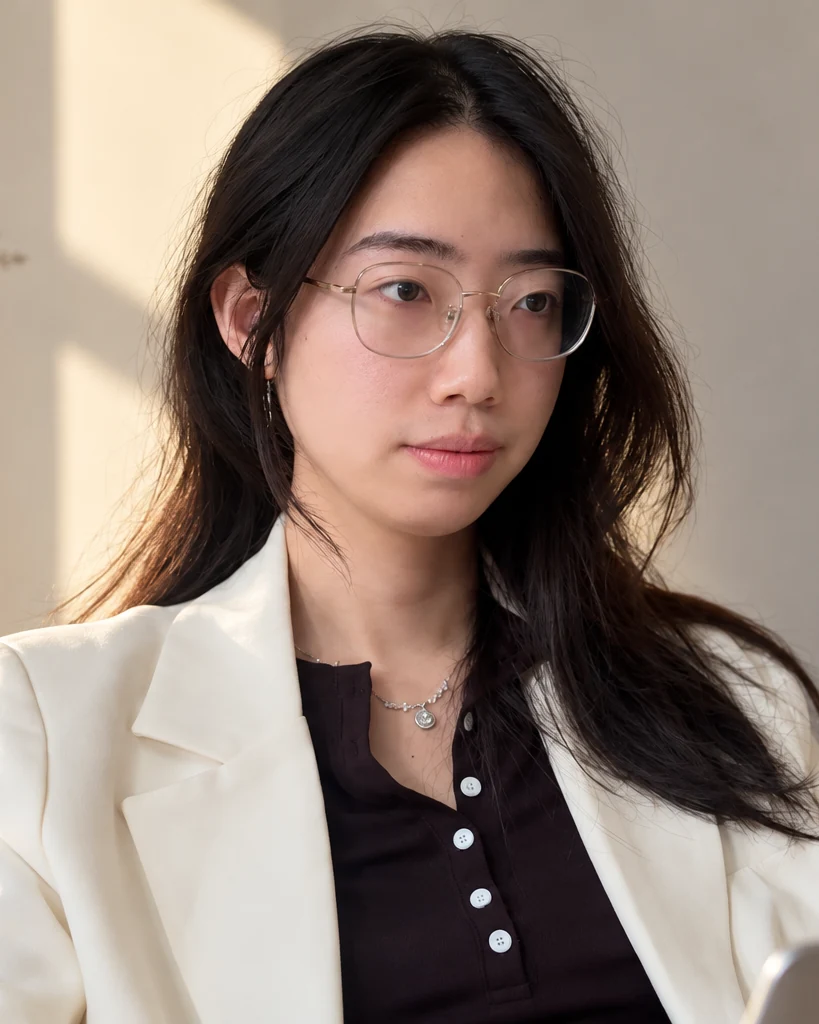
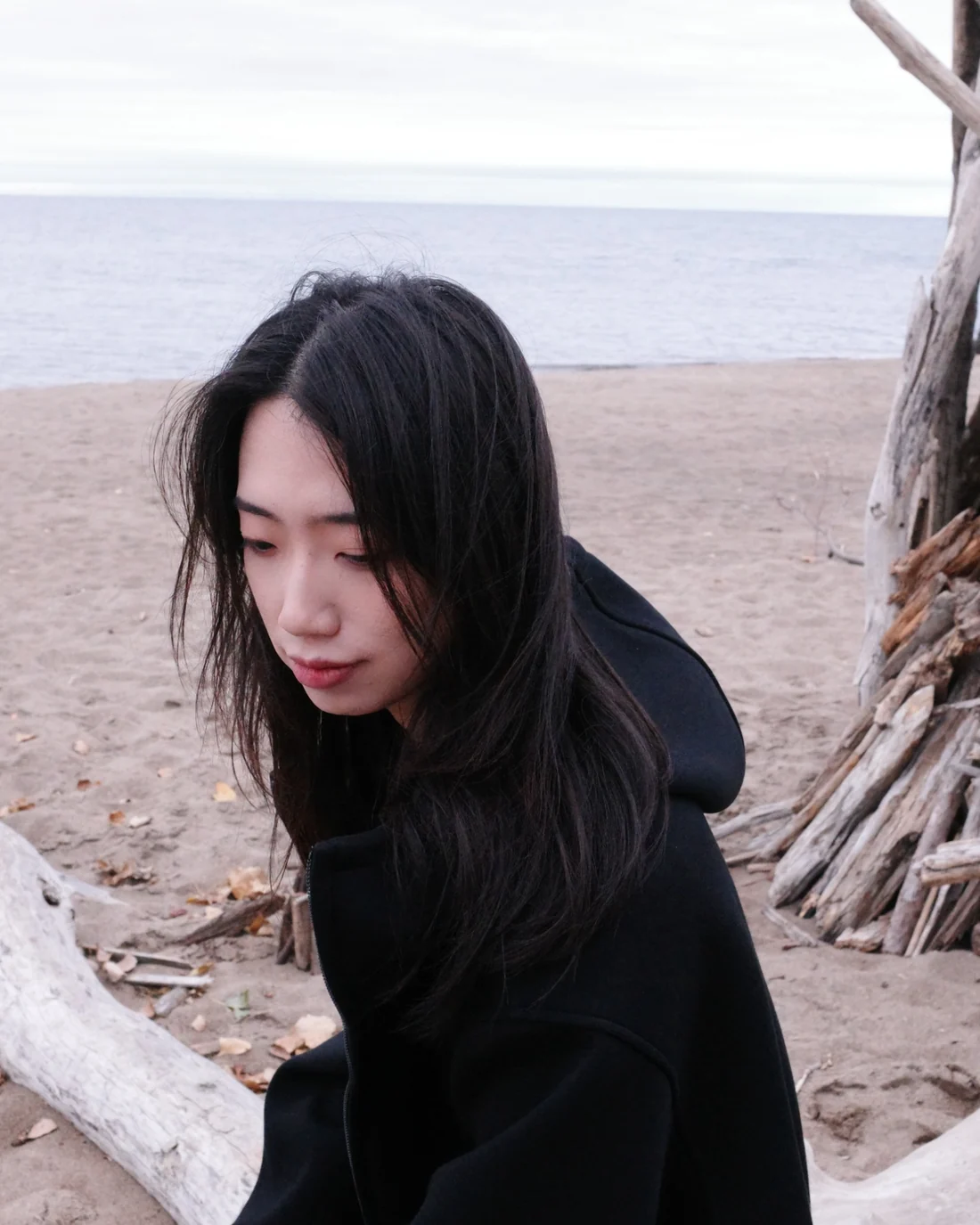
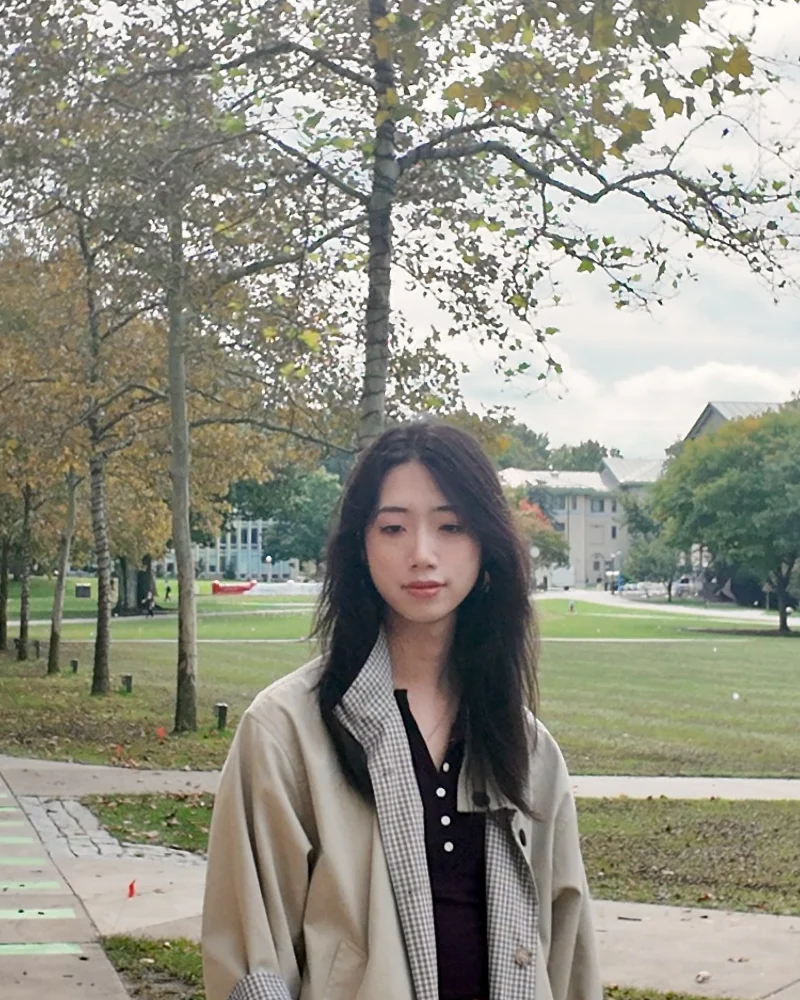
Avery Jiang is a musician and artist working across composition, Jinghu performance, sound production, and interdisciplinary practice.
Jiang’s work includes chamber, orchestral, vocal, and electronic music, fixed-media works, and sound installation, alongside recording, mixing, live sound, and stage audio. Composition, performance, and production function as connected ways of working with sound.
Practice
Composition
Jinghu performance
Sound production
Interdisciplinary practice
Background
Jiang received a Bachelor’s degree in Peking Opera Composition from the National Academy of Chinese Theatre Arts and a Master of Music degree in Composition from the New England Conservatory, where Jiang is currently pursuing a Doctor of Musical Arts degree in Composition. Chinese theatre music remains an important part of Jiang’s professional background, including work across different Chinese operatic forms and particular expertise in Peking opera vocal-style composition, alongside continuing work in contemporary music, electronic sound, and performance.
Work
Jiang’s works have been presented in universities and theatres in China, as well as at international festivals and performance settings in the United States and Europe. Additional projects include music for experimental theatre, dance drama, Chinese opera film, and work connected to local culture.
Selected Works
Recent music & sound art
A selection of recent work across chamber music, sound art, electronic sound, and performance.
Chamber Music2026
Bronze Decay
Flute, horn, soprano, and cello
Inspired by the material qualities of bronze and its resonance, Bronze Decay brings four performers together as a single resonating body. Breath, voice, and instrumental sounds explore the changing character of metallic resonance.
Performed at New Music On The Point, Vermont, United States, June 2026.
Flute, clarinet, marimba, piano, violin, and cello
Inspired by steep city streets and the wind of a New England winter, Shadows on the Incline moves between fragile, airy sounds and dense instrumental textures. A compact four-note pitch collection shapes the work, while interwoven rhythms build tension before giving way to a quiet ending.
Read by Ecce Ensemble at the Etchings Festival, Massachusetts, United States, July 2026.
The Even for Absence takes the clarinet’s emphasis on odd harmonics as its starting point. Through multiphonics, breath sounds, and direct interaction with the piano strings, the two instruments explore absence and resonance.
Performed by VICE Ensemble at the Valencia International Performing Arts Summer Festival, Valencia, Spain, July 2026.
Created for the outdoor setting of Look Park, Aqueous Confessions considers water, memory, and environmental change. Filtered rain and low-frequency drones give way to fragmented droplets and processed voices, bringing electronic sound into the surrounding landscape.
Presented as part of the Look Park Sound Walk, Florence, Massachusetts, United States.